 pressreleaseguidebook.com
How to Track Media Pickups from Your Press Release


Why Tracking Press Release Media Pickups Matters
Sending a press release without monitoring coverage is like mailing letters with no return address. You have no way of knowing whether journalists republished your story, which audiences saw it, or whether your investment delivered any return. Tracking press release media pickups gives you concrete data to measure performance, refine future releases, and demonstrate value to stakeholders.
The average press release achieves a media pickup rate of 1–5% of outlets contacted. That range sounds modest, but a well-targeted release sent to 200 relevant journalists can still produce meaningful coverage if you identify and act on every mention.
How Do I Track Where My Press Release Was Picked Up by Media?
Start by setting up Google Alerts for your headline, your brand name, and two or three unique phrases from the release body before you hit send. Google Alerts emails you whenever those strings appear in newly indexed content, including news sites, blogs, and trade publications. It costs nothing and catches a surprising share of pickups within 24–48 hours of distribution.
Beyond alerts, search Google News directly using your exact headline in quotation marks. Do this at the 48-hour mark, then again at 7 days and 30 days. Some outlets publish on a weekly cycle, and regional papers often run wire content several days after it first appears.
If you distributed through a newswire such as PR Newswire, Business Wire, or GlobeNewswire, log into your account dashboard. Those platforms generate syndication reports showing which partner sites picked up the release automatically. Note that many of these syndicated placements are low-authority auto-posts rather than editorial coverage, so separate them from genuine journalist-written mentions.
Manual Search Techniques Worth Keeping
Type your brand name plus a unique quote from the release into Google using the site-search operator. For example: `"your brand" "exact quote from release"`. This surfaces results Google Alerts may have missed, particularly from paywalled trade publications that allow Google to index headlines but not full text.
Social listening is a parallel task. Search Twitter/X, LinkedIn, and Reddit for your company name and the topic of the release. Journalists sometimes share coverage before their outlet officially syndicates the piece, giving you an early signal.
What Tools Help Monitor Press Release Media Pickups?
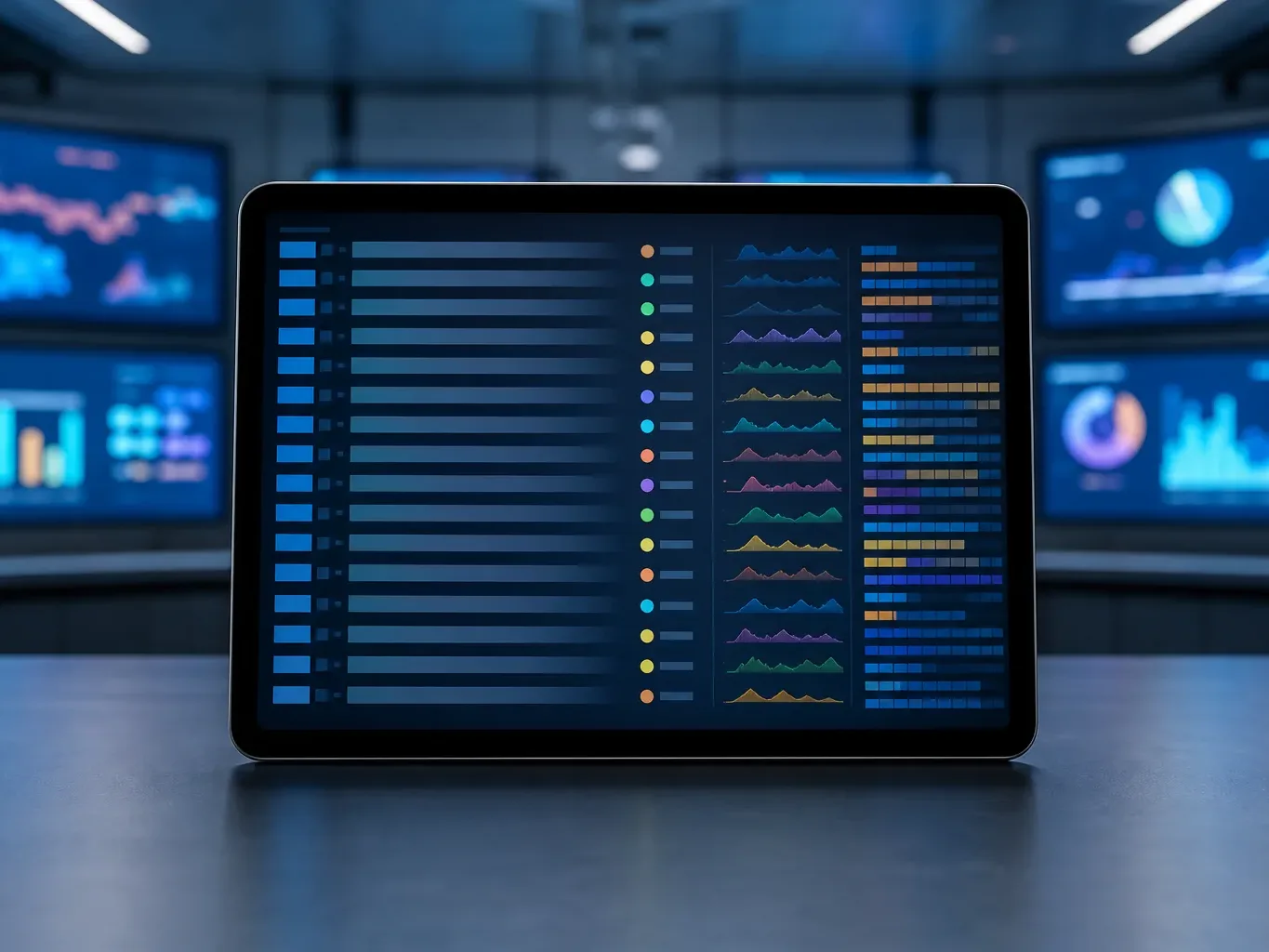
Several paid platforms go well beyond Google Alerts by aggregating broadcast transcripts, print scans, and online mentions into a single dashboard. The most widely used options in this space are Meltwater, Mention, Cision, and Prowly. Each connects to tens of thousands of sources, tracks sentiment, and lets you set up monitoring before your release goes out.
Meltwater and Cision sit at the enterprise end of the pricing spectrum, typically running into four or five figures annually. For smaller budgets, Mention and Prowly offer monthly subscription tiers that cover most consumer-brand monitoring needs without a long-term contract.
If your primary goal is SEO tracking rather than editorial coverage, tools like Ahrefs and SEMrush show you which domains have linked back to your release URL. Those backlinks represent a secondary form of pickup: a site may not have rewritten your story, but a link from a high-authority publication still carries real value. Keep in mind that links from mass newswire syndication carry little to no direct SEO link equity, so focus your SEO tracking on genuine editorial placements.
Free Tools That Cover the Basics
For teams working on a tight budget, three free tools together cover most bases:
- Google Alerts: Sets up keyword monitoring in minutes; delivers email digests on a schedule you choose.
- Google News search: Lets you filter by date range, so you can isolate coverage from the week of your release.
- Social Mention (or native platform search): Surfaces social shares and commentary that formal media monitoring misses.
None of these tools captures broadcast or print, and all three miss paywalled content. If your release targets broadcast media or major print titles, a paid tool or a clipping service is worth the cost.
When Should You Start and Stop Tracking?
Begin monitoring the moment your release goes live, not after. Early hours matter because some wire services push release content to partners within minutes, and a fast-moving news cycle can produce coverage the same day. The standard indexing window for a newswire release is 24–48 hours before it appears in Google News, but editorial responses vary widely.
Keep active tracking running for at least 30–90 days post-distribution. That window is the recommended ROI measurement period for a press release campaign because delayed pickups from trade journals, newsletters, and slow-publishing niche outlets accumulate over weeks, not hours. Closing your tracking dashboard after one week means you likely miss a meaningful share of total coverage.
Set a calendar reminder at the 30-day mark to pull a summary report. Compare the number of unique editorial placements against your original distribution list size to calculate your effective pickup rate.

How to Organize and Report What You Find
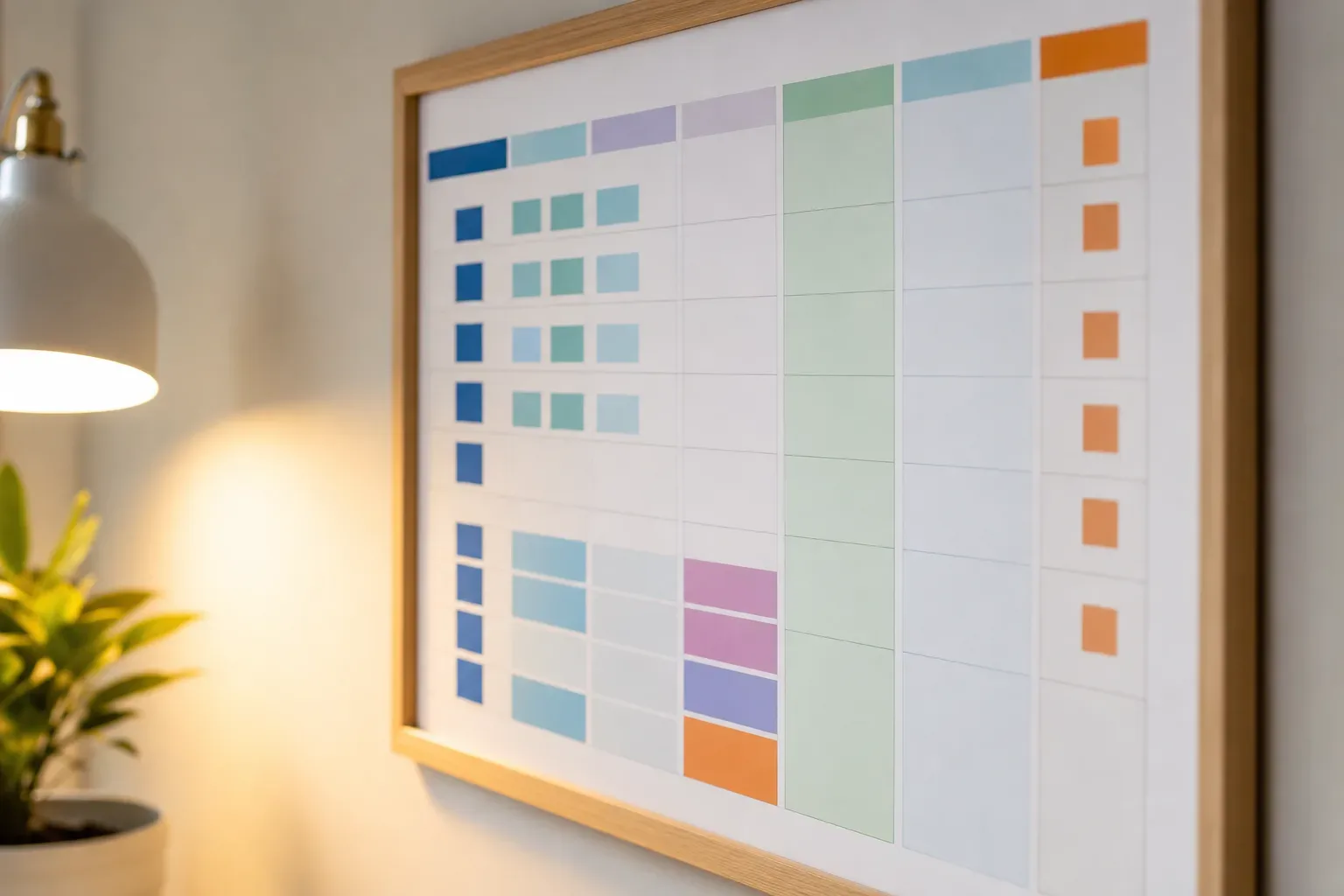
A simple spreadsheet beats a jumble of email alerts. Create columns for: outlet name, publication date, URL, domain authority (from Ahrefs or Moz), audience size if known, and whether the mention is an editorial rewrite or an auto-syndicated post. That distinction matters because editorial rewrites represent genuine journalist interest, while auto-posts are simply wire content being republished verbatim.
Group placements by tier: national publications, regional outlets, trade press, and blogs. This structure makes it easy to present results to a client or executive team and shows which press release topics resonate with which audience segments.
If you are tracking SEO outcomes alongside media coverage, record the referring domain and anchor text for every inbound link. Cross-reference link acquisition with your keyword rankings at the 30-day and 90-day marks to build an honest picture of organic impact.

Setting Realistic Benchmarks for Future Releases
One tracked release gives you a baseline; three tracked releases give you a pattern. Record your pickup rate, the average domain authority of covering outlets, and total estimated audience reach for each release you send. Over time, you will see which topic angles, headline styles, and distribution lists consistently outperform others.
A pickup rate above 5% of outlets contacted is a strong result and usually signals tight targeting, a genuinely newsworthy angle, or both. Rates below 1% are a prompt to revisit your media list quality, your headline, or the newsworthiness of the story itself. Tracking press release media pickups is ultimately a feedback system: each data point sharpens the next release you write.
Frequently Asked Questions
How Do I Track Where My Press Release Was Picked Up by Media?
Set up Google Alerts for your headline and brand name before the release goes live, then search Google News using your exact headline in quotation marks at 48 hours, 7 days, and 30 days. If you used a newswire, check your account dashboard for syndication reports, and separate auto-posted content from genuine editorial coverage.
What Tools Help Monitor Press Release Media Pickups?
Paid platforms like Meltwater, Cision, Mention, and Prowly aggregate thousands of sources into a single dashboard and track sentiment. For smaller budgets, Google Alerts, Google News, and native social platform searches cover the basics at no cost, though none captures broadcast or paywalled print content.
What Is a Realistic Media Pickup Rate for a Press Release?
The average press release achieves a pickup rate of 1–5% of outlets contacted. Exceeding 5% typically reflects tight media list targeting and a genuinely newsworthy story, while rates below 1% are a signal to review your headline, distribution list quality, or the newsworthiness of the announcement.
How Long Should I Track Coverage After Sending a Press Release?
Keep active monitoring running for 30–90 days after distribution. Trade journals, newsletters, and niche publications often publish on delayed schedules, so coverage continues to accumulate for weeks after the initial send. Closing your tracking after one week means missing a meaningful portion of total placements.
Do Newswire Links from Press Release Distribution Help My SEO?
Links generated through mass newswire syndication carry little to no direct SEO link equity, a position consistent with Google's guidance since 2013–2014. For genuine SEO benefit, focus on editorial placements where a journalist has independently linked to your site, and track those using tools like Ahrefs or SEMrush.